
The Books With No Words That Made My Son a Storyteller
How books without words build observation, storytelling and flexible thinking—and how to read them without turning them into a quiz.

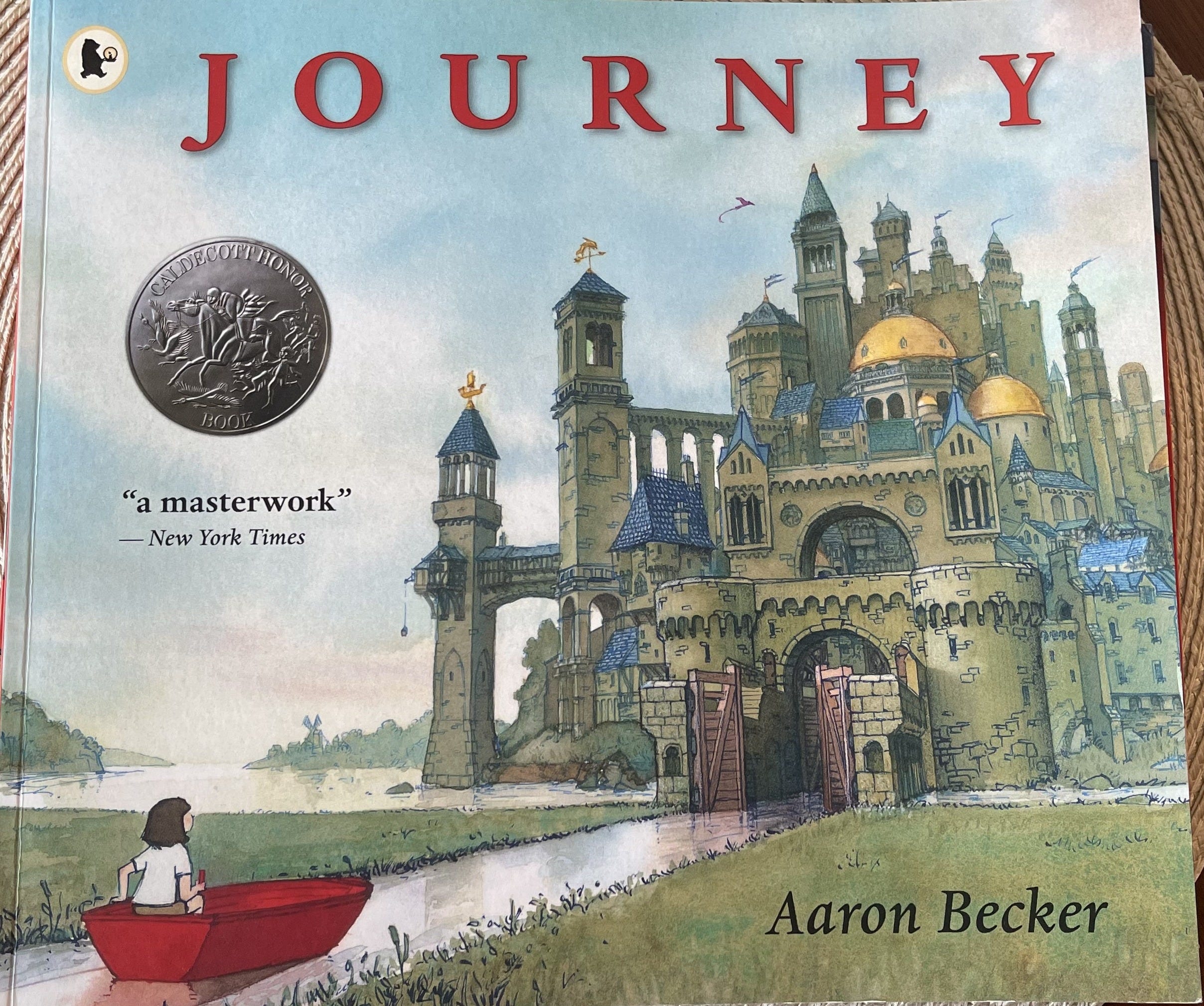
Last week we sat down with Journey — again. I think it was our fifteenth time, maybe more. And the story was completely different from the last time. The girl wasn’t escaping her boring house anymore , this time she was “going to find her friend who got lost.” Same pictures. New story.
Some evenings, though, my son shuts the whole thing down before I even start. “I don’t want any discussion. I just want to see the pictures.”
And you know what? That’s allowed. That is actually the whole point.
What is a wordless book, really?
Wordless picture books are exactly what they sound like — books that tell a complete story through illustrations alone. No text. No narrator. No “correct” version.
Here is the shift that makes them special: with a normal picture book, your child is a listener. You read, they receive. With a wordless book, your child becomes the storyteller. They have to look closely, figure out what is happening, put events in order, and say it in their own words.
In plain terms: a regular book gives your child language. A wordless book makes your child produce language and thinking comes along with it.
Every time the story changes, that is not your child "getting it wrong." That is your child revising a theory. Noticing a detail they missed before. Building a new explanation that fits. We have a fancy word for this — metacognition, thinking about one's own thinking — but on the sofa it just looks like a small person saying, "Wait. Maybe she is not sad. Maybe she is bored."
The Flotsam moment
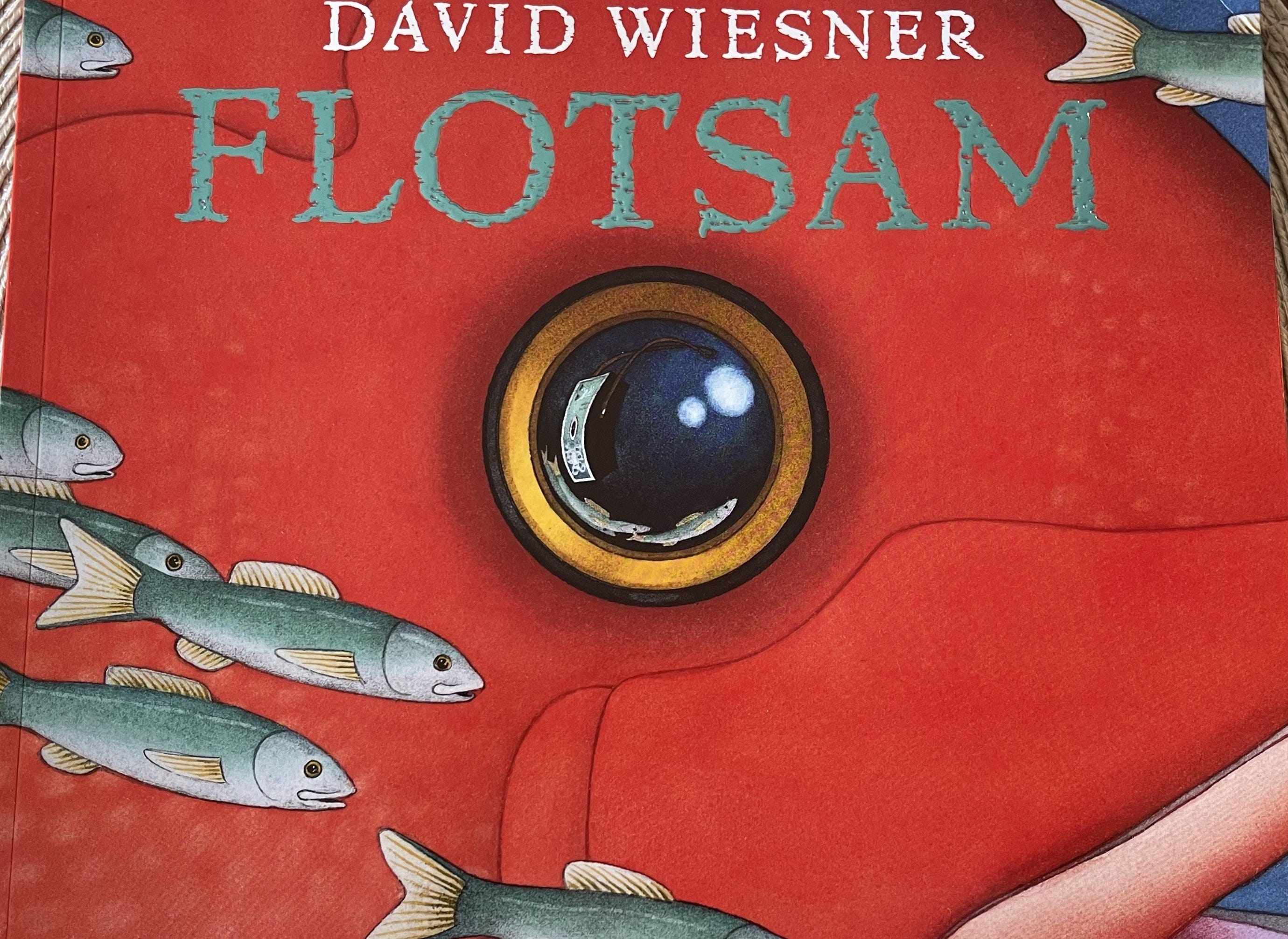
If Journey taught us that stories can change, Flotsam was a revelation of a different kind.
If you don’t know it: a boy finds an old underwater camera washed up on the beach. He develops the film. And one photograph shows a child holding a photograph — of another child holding a photograph — of another child, going back and back through time.
The first time my son understood what he was seeing — pictures within pictures, each one older than the last — I could almost watch it happen on his face. Nobody explained it to him. No text told him what to think. He worked it out from the pictures, and the working-out was the joy.
That is what wordless books do. They don’t hand over the meaning. They make your child earn it and children love earning it.
How to read a book with no words
This part matters, because it is easy to accidentally turn a wordless book into a quiz. A few things that work for us:
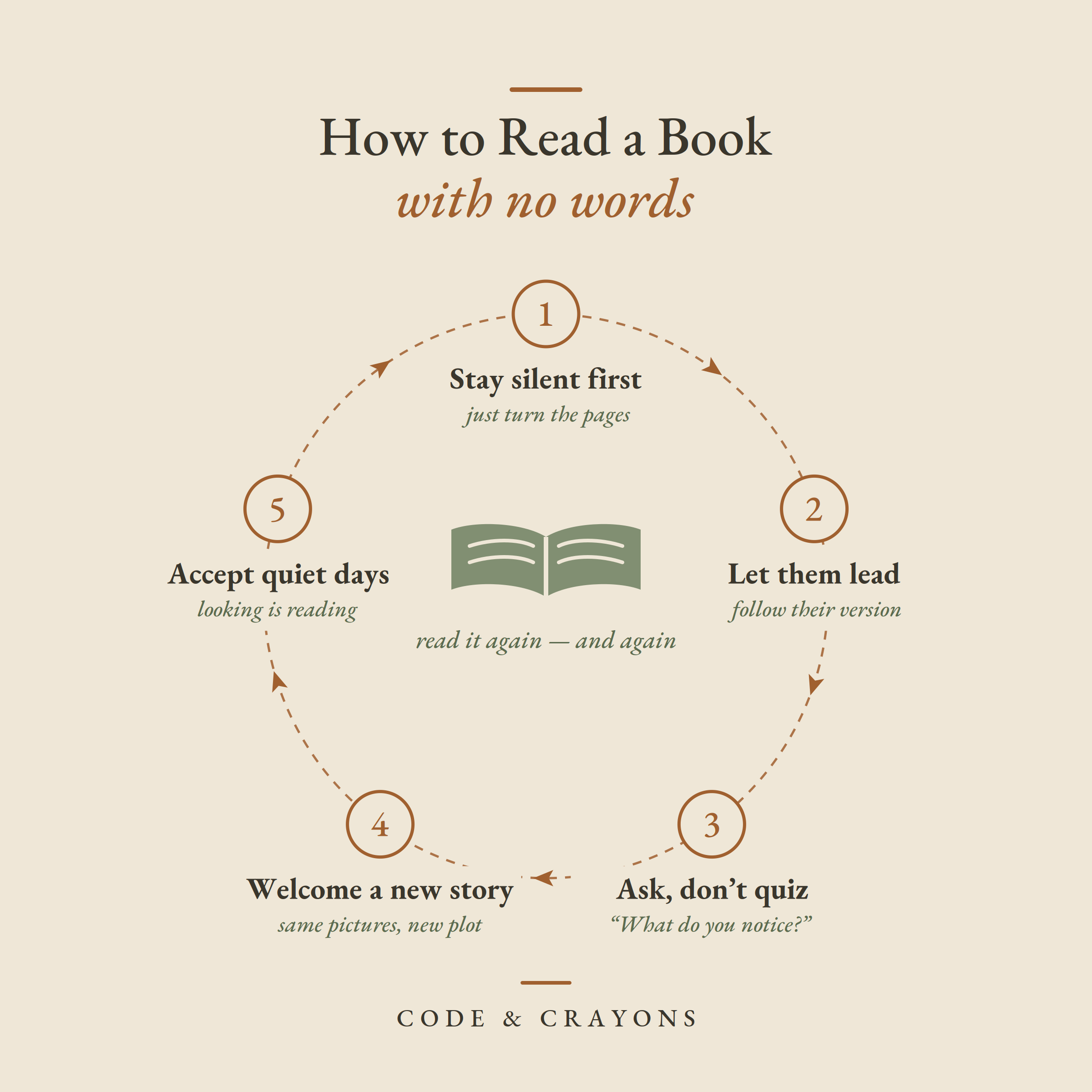
First read: stay silent. Just turn the pages together. Let them look. Resist the urge to narrate or teach.
Let them lead. If they start telling the story, follow their version — even if it makes no sense to you. Especially if it makes no sense to you.
Ask “What do you notice?” — not “What is happening?” The first question has no wrong answer. The second one secretly does.
Welcome a different story every time. Same book, new plot? Perfect. That is flexible thinking in action.
Accept the “no discussion” days. Sometimes looking is the reading. Quiet page-turning is not a failed session.
One honest warning: do not quiz. The fastest way to kill a wordless book is to turn every page into “And what is THIS? And what colour is THAT?” If it starts feeling like a test, your child will feel it too and they will close the book.
Where to start, by age
Around 2–3: A Ball for Daisy by Chris Raschka. A dog, a ball, a loss, a repair. Even toddlers can “read” the emotions and tell you what happened.
Around 3–4: Wave by Suzy Lee. A girl meets the sea. Just blue and black ink, and somehow a full drama.
Around 3–4: Chalk by Bill Thomson. Children’s chalk drawings come to life. Pairs beautifully with Journey — in both, drawing is power.
Around 4–6: Journey by Aaron Becker. A girl draws a red door on her wall and escapes into another world. Our house favourite, fifteen readings and counting.
Around 4–6: Flotsam by David Wiesner. The underwater camera. The pictures within pictures. Save it for when they are ready to be amazed.
Bonus classic: The Snowman by Raymond Briggs. A young boy builds a snowman that comes to life.
The ages are rough, not rules. Some two-year-olds will sit through Flotsam; some five-year-olds will want Daisy on a tired evening. Follow the child, not the label.
If you do one thing this week
Pick one wordless book. Read it twice — once in silence, once with your child telling the story. Then read it again next week and notice how the story has changed.
The story changing is not a bug. It is the entire feature.
Do you have a wordless book your child keeps returning to? I would love to know how their version of the story has changed over time.
You can also read :

Wordless picture books are great! Speech therapists use them often for informal language assessment and during therapy as well!
Thanks for this! My kids love a wordless book - definitely going to give flotsam a try!